
Machining
| Machining Technology | Achievable Capabilities (Depending on Conditions) | Examples |
|---|---|---|
| Flatness & Roughness |
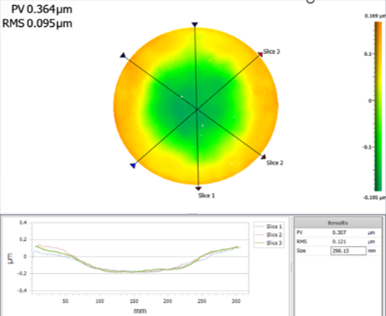
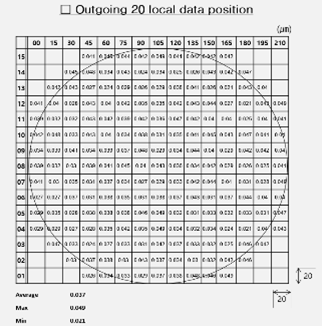
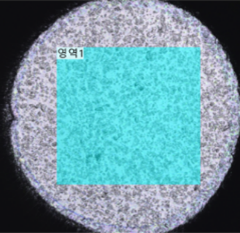
<Flatness> • Global Flatness (Ø300mm) : < 200nm • Local Cell Flatness (□20×20mm) : < 50nm • Slope X/Y : < 6u rad (RMS, 3×3mm) <Roughness> • Sa range of 20~120 nm (SiC, Pin top surface) • Soft polish 적용 가능 |
    |
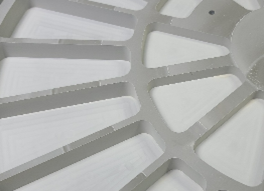
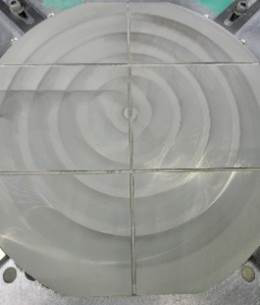
| Green Machining | • Machining of internal channels, holes, and grooves before sintering (S-SiC, Si-SiC, Al2O3, Black Al2O3) |
   |
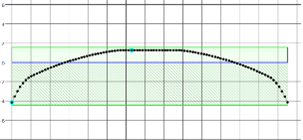
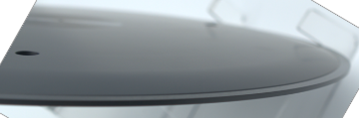
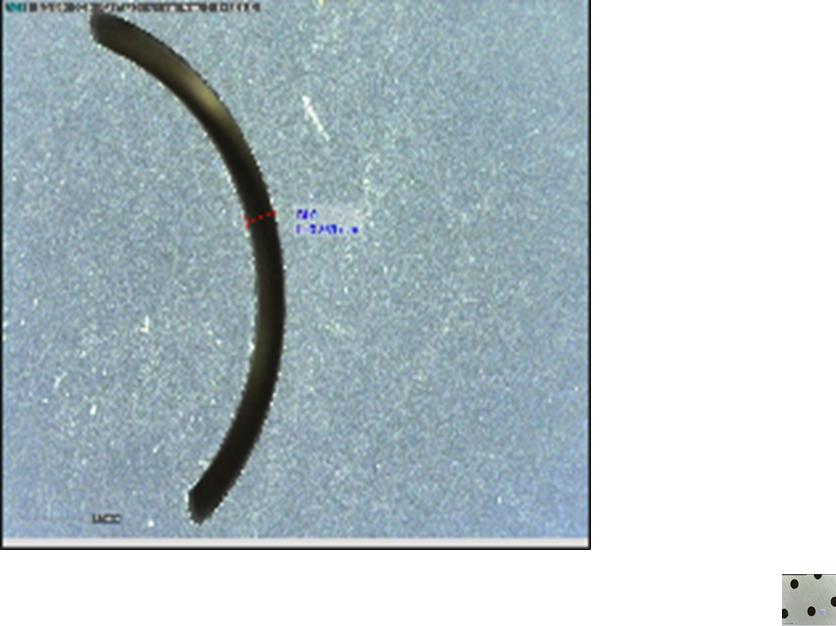
| Curved Surface Machining | • Radius 1,500–11,500 possible (based on Ø420) |
  |
| Bonding |
• Adhesive Bonding (Silicone, Epoxy, Acryl) : The most common method used for bonding same or different materials : Paste type, Sheet type |
Applicable to Photo Chuck / Vacuum Chuck, ESC, GDP |
| • Glass Bonding : Mainly used for ceramic bonding of the same material, excellent high-temperature stability | Ceramic Heater | |
| • Brazing: Bonding between same or different metals, and also between metal and ceramic | ESC | |
| • Reaction Bonding: Applicable only to Si–SiC bonding | Used for complex multi-layer Si-SiC structures | |
| • Others: Welding, Ag paste, soldering, conductive bonding, sintered joining, etc. are also available | ||
| Micro Patterning |
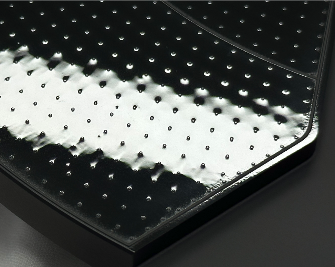
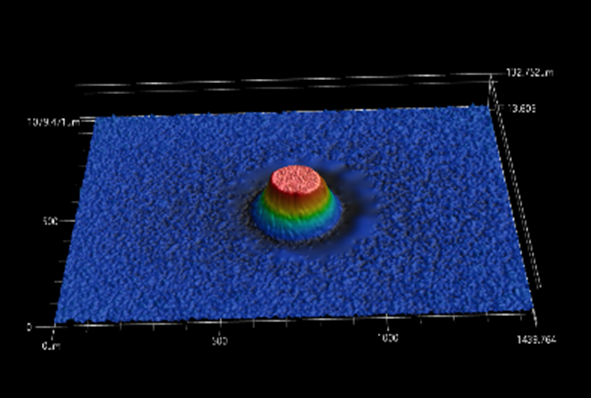
< Bead Blast > Pin & Grooves • Minimum pin size: Ø 0.15 mm • Maximum pin height / groove depth: 0.4 mm (Achievable pin height varies depending on material, pin size, or groove width) |
 |
|
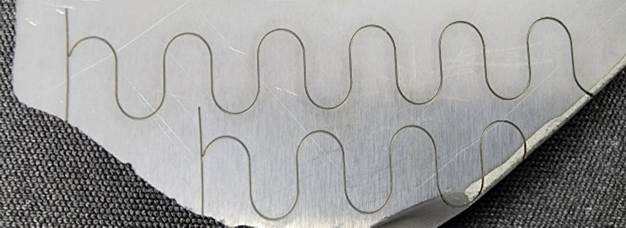
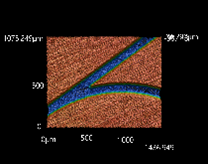
< Laser > Grooves • Groove width down to 0.1 mm available |
  |
|
| Micro Hole Machining |
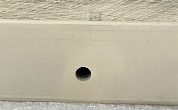
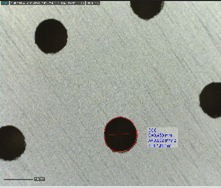
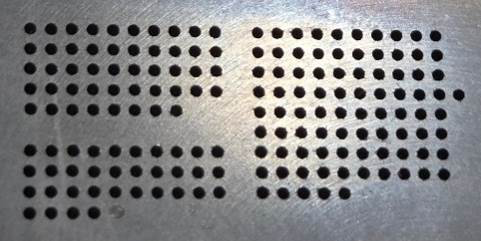
• Minimum hole size Ø 0.1 by MCT / Ultrasonic / Layer drilling (Machining method varies depending on hole specification requirements) |
   |